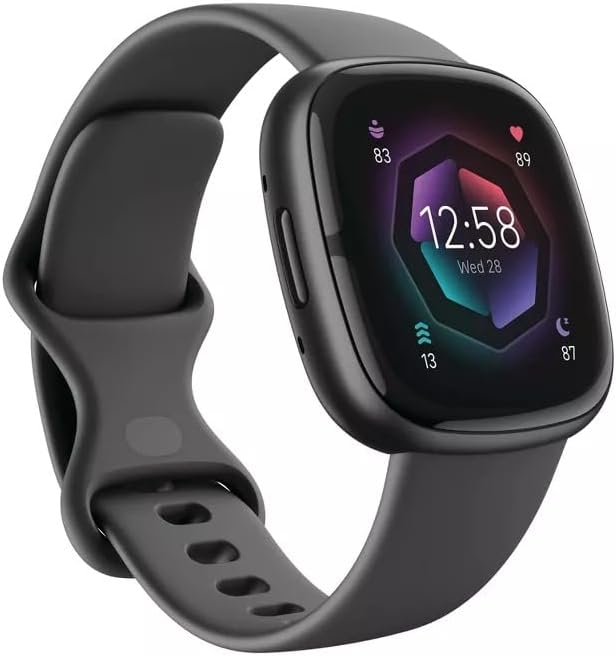
Fitbit Sense 2
4.1Editor score
ECG app for Afib assessment
Irregular rhythm notifications
Six-plus day battery life
Our smartwatch for Afib Detection guide compares 10 top models for irregular-heart monitoring, ECG features, sleep insights, fitness tracking, and daily
Smartwatches for Afib detection are most useful when they combine continuous heart-rate monitoring with an ECG capable of assessing an irregular rhythm. The strongest choices also make readings easy to review, support fitness and sleep goals, and fit comfortably enough for consistent wear.
We compared all 10 products using the supplied information, focusing on explicit Afib and ECG capabilities first, followed by irregular-rhythm monitoring, heart-rate tracking, sleep analysis, fitness features, compatibility, and everyday functions. Models without confirmed Afib functions are clearly identified rather than presented as equivalent diagnostics.
Each review explains the product's strongest benefit, practical trade-offs, and best-fit user. The top selections recognize products with documented ECG or Afib assessment features, while the remaining entries provide context for buyers whose priorities extend beyond heart monitoring. Prices and availability can change.
4.1Editor score
4.4Editor score
4.5Editor score
The table below compares the ten watches by their documented heart-health capabilities, fitness features, sleep support, design, and practical functions. It also distinguishes true ECG or Afib assessment tools from general-purpose trackers that do not state that they can detect atrial fibrillation.


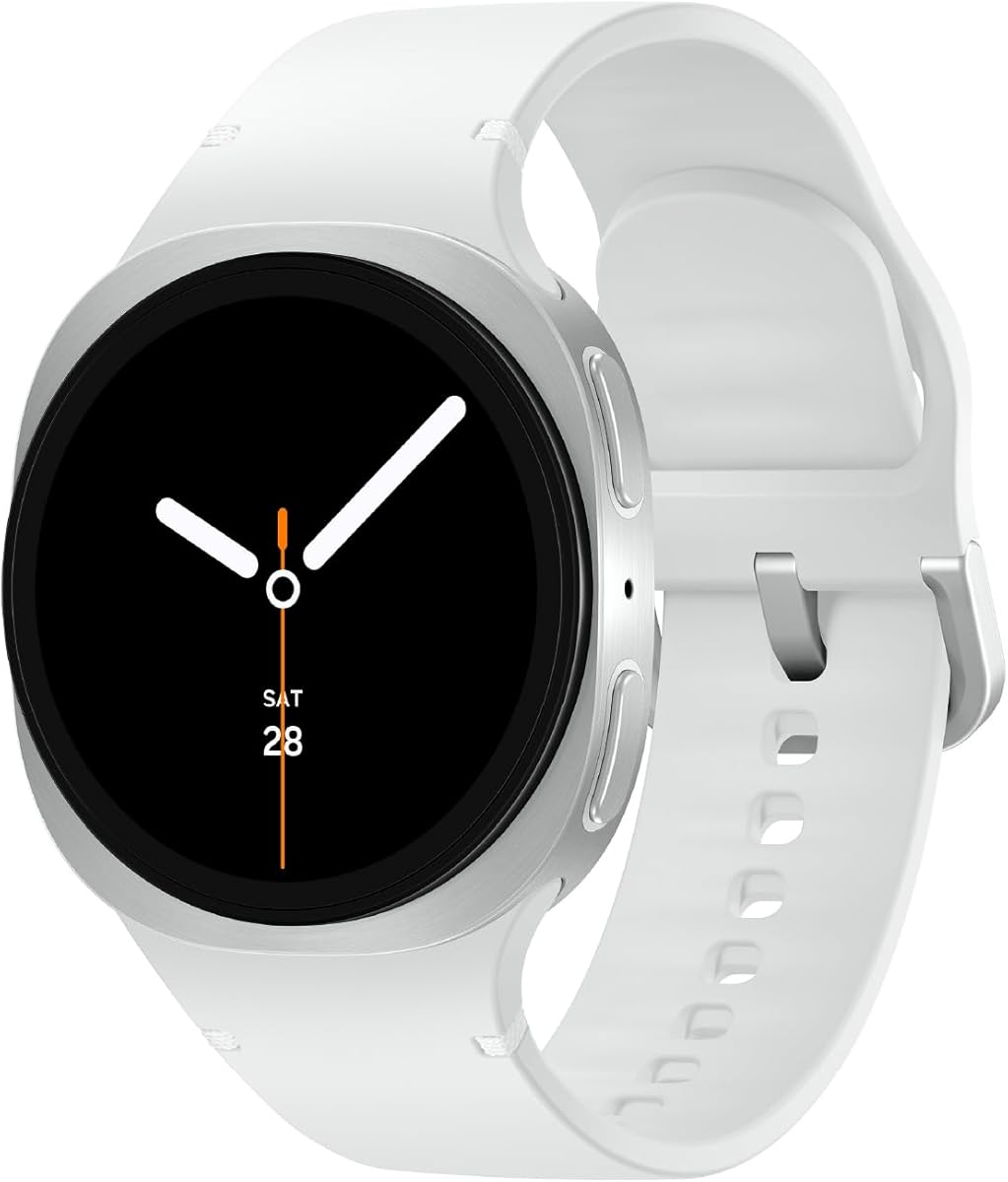
The Fitbit Sense 2 is a strong entry for shoppers who want a documented ECG app for atrial fibrillation assessment without choosing one of the higher-end Samsung models. It carries a 4.1 rating and combines an ECG app, irregular heart-rhythm notifications, continuous heart-rate tracking, blood-oxygen monitoring, and a broad wellness dashboard in a familiar fitness-watch format.
We may earn a commission when you buy through this link, at no additional cost to you.
Its health features extend beyond a single ECG reading. The watch provides cEDA-based stress detection, a Stress Management Score, SpO2 measurements, sleep stages, a Sleep Score, and a Daily Readiness Score. Built-in GPS and more than 40 exercise modes also make it useful for people who want a single device for workouts, recovery, and heart-rhythm awareness rather than a dedicated medical accessory.
The main trade-off is that some health features depend on software, location, and compatible-device availability, and the supplied information does not state which markets have every function. Its 4.1 rating is also lower than the ratings assigned to the leading Samsung options. Nevertheless, the confirmed ECG and irregular-rhythm functions give it a clearer Afib-related purpose than many general fitness trackers in this list.
Choose the Sense 2 if documented Afib assessment is your primary requirement but you also want stress management, sleep analysis, activity tracking, and a long battery. It is particularly compelling for Fitbit users already familiar with the ecosystem. Anyone using a smartwatch to investigate symptoms should still treat notifications as prompts to seek appropriate medical advice rather than definitive diagnoses.
The ECG app is the key differentiator because it is explicitly intended for atrial fibrillation assessment, while irregular heart-rhythm notifications can flag a potential irregularity detected during continuous monitoring. Together, these features make the Sense 2 more relevant to the core search than trackers that only display resting heart rate.
Stress, SpO2, sleep stages, readiness, heart rate, and workout intensity data create a broader health picture. Built-in GPS and water resistance to 50 meters also make the watch practical for everyday activity and exercise.
We may earn a commission when you buy through this link, at no additional cost to you.
This Lunar White and Platinum version of the Fitbit Sense 2 offers the same core health platform as the Shadow Grey model, including an ECG app for atrial fibrillation assessment and irregular heart-rhythm notifications. Its 4.1 rating aligns with the other Sense 2 variants, making this listing primarily an aesthetic choice for buyers who prefer a lighter finish.
We may earn a commission when you buy through this link, at no additional cost to you.
The watch can track heart rate throughout the day, monitor blood oxygen, estimate stress through cEDA, and provide sleep stages with a Sleep Score. A smart wake alarm, do-not-disturb mode, mindfulness content, and the health metrics dashboard support daily use. For exercise, built-in GPS, workout-intensity maps, Active Zone Minutes, automatic activity detection, and more than 40 workout modes round out the package.
Its smart features include on-wrist Bluetooth calls, texts, and phone notifications, customizable clock faces, Amazon Alexa, Google Wallet, and Maps. The long stated battery life is a meaningful advantage for users who do not want to charge a health watch every night. As with the other Sense 2 options, regional availability and app compatibility should be checked before purchase.
This is the Sense 2 to consider if you like the white-and-platinum appearance more than darker finishes. It remains a credible Afib-focused budget purchase because the ECG and irregular-rhythm tools are explicitly documented. Choose it for style only after confirming that its health software is available where you live.
The color treatment gives the Sense 2 a more traditional watch appearance, while the same sensor suite and software maintain the health functionality of the darker model. Buyers are choosing aesthetics rather than a different Afib assessment platform.
Calls, messages, notifications, Alexa, Wallet, Maps, and a stated battery of more than six days reduce the need to carry a phone during many daily activities. The watch is water resistant to 50 meters for added flexibility.
We may earn a commission when you buy through this link, at no additional cost to you.
The Blue Mist and Pale Gold Sense 2 combines the same confirmed atrial fibrillation assessment tools with a distinctive, softer-looking finish. Its 4.1 rating and feature list match the other Sense 2 variants, so the deciding factor for many shoppers will be preferred color rather than health-processing capability.
We may earn a commission when you buy through this link, at no additional cost to you.
For Afib-related monitoring, the watch includes an ECG app and irregular heart-rhythm notifications. It also tracks heart rate, SpO2, stress, sleep, readiness, and daily activity. More than 40 exercise modes, built-in GPS, and an intensity map broaden its appeal, while automatic exercise detection helps reduce the need to start every workout manually.
The main limitation is that the supplied listing does not detail every regional or device compatibility condition for the ECG and other health features. The watch also relies on its companion applications, so a compatible phone and current software are important. These are not unusual conditions for a connected fitness watch, but they should be verified before relying on a specific function.
Choose this version if you want the Sense 2's health and fitness capabilities in a more coordinated colorway. It is best for users who want regular heart-rhythm monitoring, an ECG-based Afib assessment tool, and comprehensive daily wellness tracking without moving to a more complex premium smartwatch.
An ECG app designed for Afib assessment and notifications for irregular rhythms provide the clearest path to the requested use case. Continuous heart-rate tracking supplies the ongoing context around those features.
Stress management, mindfulness, sleep coaching elements, readiness scoring, GPS workouts, and activity tracking make the watch useful beyond isolated ECG readings. It is designed to fit into an ordinary wellness routine.
We may earn a commission when you buy through this link, at no additional cost to you.
This Advanced Health Smartwatch is the broadest budget-style general tracker in the list, with a 3.9 rating and real-time monitoring for heart rate, blood oxygen, body temperature, blood pressure, sleep quality, and stress. It offers an always-on display, Bluetooth 5.2 calls, notifications, an AI voice assistant, and more than 150 sports modes.
We may earn a commission when you buy through this link, at no additional cost to you.
Its list of health metrics makes it appealing to people who want a general overview of several everyday vital signs. It also tracks activity, supports 150-plus sports, and is IP68 waterproof. The companion app provides more than 150 watch faces, photo customization, weather forecasts, music and camera controls, alarms, phone search, and other convenience functions.
Most importantly, the supplied product information does not mention ECG measurement, irregular-rhythm detection, or atrial fibrillation assessment. It should therefore not be treated as an equivalent option for the central task in this roundup. The listed blood-pressure and heart-rate features can provide general wellness context, but they do not establish the presence of a medically oriented Afib screening workflow.
This watch is best for budget shoppers focused on general health metrics, activity modes, phone features, and broad phone compatibility. If your priority is specifically detecting or assessing Afib, select one of the explicitly documented ECG models instead. For this keyword, its strongest value lies in everyday tracking rather than cardiac rhythm assessment.
The watch combines heart rate, blood oxygen, temperature, blood pressure, sleep, and stress monitoring in one device. That breadth can be useful for routine trend awareness, although it is not a substitute for approved medical monitoring.
Bluetooth calls, app notifications, voice assistance, camera control, weather, music controls, and customizable dials make the watch function as a compact phone companion. Compatibility with Android 4.4 and later and iOS 8.2 and later broadens device choice.
We may earn a commission when you buy through this link, at no additional cost to you.
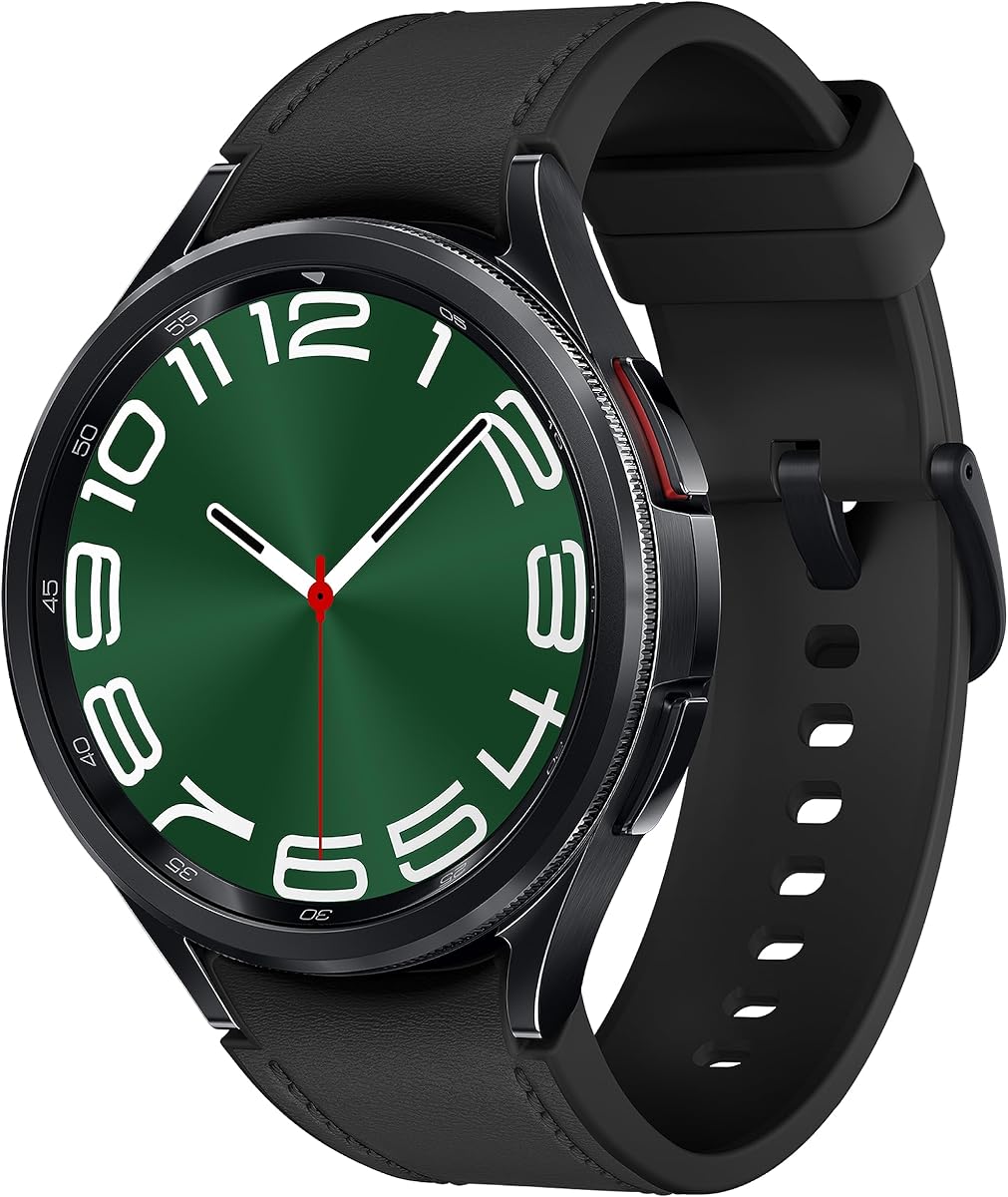
The Samsung Galaxy Watch 6 Classic is the most complete premium choice in this roundup, combining a 4.5 rating with explicitly documented irregular-rhythm monitoring for potential A-fib. Its 47mm case, rotating bezel, large display, and broad health and fitness platform make it a natural choice for buyers who want serious heart monitoring without giving up smartwatch convenience.
We may earn a commission when you buy through this link, at no additional cost to you.
The always-on heart monitor continually scans heart rate for an irregular rhythm that might indicate A-fib. Personalized heart-rate zones add context for workouts by analyzing health data and setting intensity ranges tailored to the user. The watch recognizes more than 90 exercises, tracks duration, distance, calories, and other workout data, and offers Advanced Sleep Coaching with snore detection and awake, light, deep, and REM stage tracking.
Its BIA sensor supplies body fat, skeletal muscle, body water, BMI, and related body-composition information, while Galaxy device integration adds music, camera control, calls, and texts. The trade-off is that some heart and health features depend on region and regulatory approval, and the experience is most natural within the Samsung ecosystem. The rotating bezel is also a physical control that not every user will value.
This is the strongest overall choice for someone who prioritizes documented irregular-rhythm monitoring alongside sleep, exercise, and body-composition insights. Choose it if you want a premium traditional watch design and a broad health platform. Review local feature availability and phone compatibility before purchase, and use its results to support—not replace—professional medical evaluation.
Continuous heart-rate scanning is designed to identify an irregular rhythm that might be A-fib, giving the watch a clearly documented role in the core use case. It goes beyond simply charting a current heart-rate number.
Personalized heart-rate zones help users match intensity to goals, while Advanced Sleep Coaching, snore detection, and sleep-stage tracking support recovery. Together, they add context that a standalone ECG reading cannot provide.
We may earn a commission when you buy through this link, at no additional cost to you.
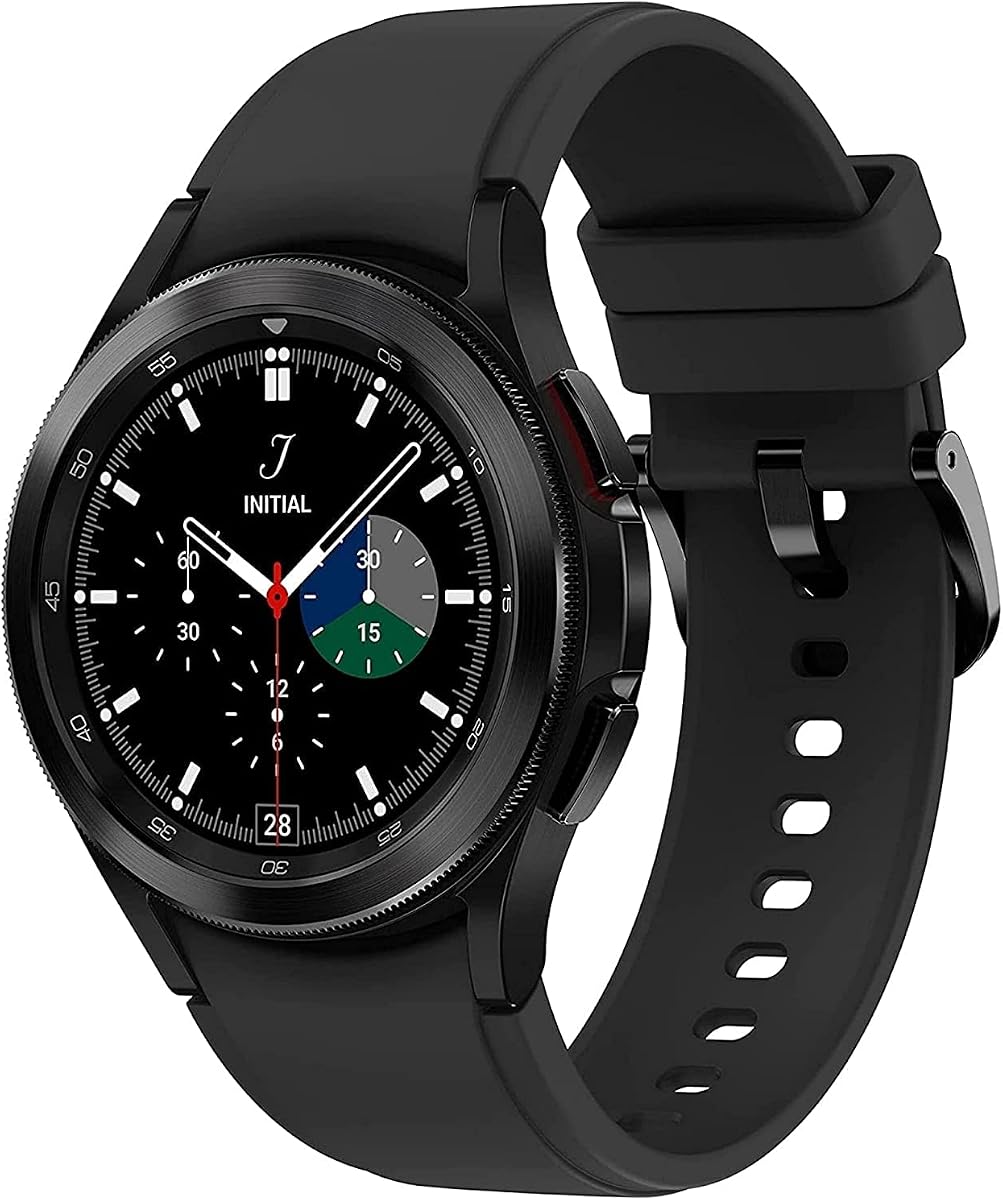
The Samsung Galaxy Watch 4 Classic earns a 4.4 rating and remains one of the clearest matches for this roundup because its supplied information explicitly identifies ECG monitoring, possible Afib tracking, and a route to share personalized readings with a doctor. The 42mm model offers a slightly more compact alternative to the 47mm Galaxy Watch 6 Classic.
We may earn a commission when you buy through this link, at no additional cost to you.
Its ECG function can monitor for possible atrial fibrillation, an irregular heart rhythm. The health platform also includes continuous heart-rate and SpO2 monitoring, advanced sleep tracking, and body-composition readings for body fat, skeletal muscle, body water, basal metabolic rate, and BMI. Running features add VO2 Max, running coaching, and automatic recognition for several exercises.
The watch also supports phone calls, texts, music, directions, payments, and voice-assistant functions. Some compromises come from its older design generation, including a smaller display and a more traditional fitness feature set than the Watch 6 Classic. ECG availability also varies by country and regulatory status, so buyers should verify support in their location before relying on the function.
Choose the Watch 4 Classic when you want documented ECG and Afib functionality, strong sleep and fitness tools, and a more compact case. It is especially compelling for users who value the ability to share readings through Samsung Health Monitor. It remains a balanced, practical recommendation even though newer Galaxy Watch models offer more advanced coaching and displays.
The ECG feature specifically focuses on possible atrial fibrillation, and personalized readings can be shared through Samsung Health Monitor. That combination makes the watch more useful as part of a health-management workflow.
Body composition analysis, continuous SpO2, sleep-stage tracking, VO2 Max, and running coaching turn the watch into a broader health tool. It works well for users who want heart data to sit alongside recovery and fitness trends.
We may earn a commission when you buy through this link, at no additional cost to you.
The Samsung Galaxy Watch 8 pairs a 4.4 rating with a light, thin design and an advanced health platform. Its 40mm cushion-style body includes a quick button, an improved interface, Advanced Sleep Coaching, Bedtime Guidance, Running Coach, and an Energy Score that summarizes sleep, activity, and heart-rate information from the previous day.
We may earn a commission when you buy through this link, at no additional cost to you.
Its heart-related offering includes ongoing heart-rate monitoring and changes in heart activity, while a separate blood-pressure function can measure systolic and diastolic values after calibration with a blood-pressure cuff sold separately. The Running Coach provides real-time feedback and programs for goals such as 5Ks and marathons, adding a strong training component to the general health suite.
The supplied information does not expressly identify an ECG or Afib-detection function, so this model should not be confused with the Galaxy Watch 6 Classic or Watch 4 Classic in that respect. Its blood-pressure feature also requires extra equipment and calibration, while some functions are most fully integrated with Android phones. A personal AI assistant, Now Bar, phone notifications, and improved battery life improve everyday usability.
Choose the Watch 8 if lightweight comfort, sleep coaching, running guidance, and broad health summaries matter more than a specifically stated Afib assessment. It is an excellent modern health and fitness watch, but buyers whose requirement is confirmed Afib screening should prioritize the models with explicit ECG or irregular-rhythm detection.
Energy Score combines the previous day's sleep, activity, and heart rate into a concise overview. The Now Bar and improved interface make important updates easier to check throughout the day.
Running Coach analyzes performance, offers real-time feedback, and includes programs for common race goals. The lightweight shape also supports longer wear during sleep, exercise, and routine tracking.
We may earn a commission when you buy through this link, at no additional cost to you.
The Silver Galaxy Watch 6 Classic offers the same high-level health and fitness platform as the black version, including always-on heart monitoring that can identify an irregular rhythm associated with A-fib. It retains a 4.5 rating and is a strong choice for buyers who prefer a lighter metallic appearance.
We may earn a commission when you buy through this link, at no additional cost to you.
The watch provides personalized heart-rate zones, recognizes more than 90 activities, and tracks workout duration, distance, calories, and related data. Advanced Sleep Coaching helps users plan bedtime and review awake, light, deep, and REM stages, while snore detection adds another recovery signal. Its BIA sensor measures body fat, skeletal muscle, body water, BMI, and more.
As a large 47mm model with a rotating bezel, it may be less discreet than smaller watches, but the physical navigation can be efficient for scrolling through health menus and apps. Irregular-heart and other health features may be subject to regional availability. Samsung device integration provides smooth music, calls, texts, and camera-control options when paired with compatible phones.
Choose the Silver edition if the Watch 6 Classic's heart and sleep functions appeal to you but you want a different finish from the black model. It is particularly attractive for users who value traditional watch styling, always-on irregular-rhythm monitoring, and detailed coaching in one device.
The always-on heart monitor scans for an irregular rhythm that might be A-fib, directly addressing the main intent of this guide. It provides an ongoing signal that can be considered alongside the watch's other health metrics.
The rotating bezel, large display, durable crystal glass, and quick-swapping bands give the watch a premium appearance. Internally, it combines irregular-rhythm monitoring with BIA readings, sleep coaching, and broad exercise tracking.
We may earn a commission when you buy through this link, at no additional cost to you.
The Garmin vívoactive 6 is a 4.4-rated general health and fitness watch with a bright AMOLED display and a stated smartwatch battery life of up to 11 days. It offers wrist-based heart rate, stress tracking, sleep coaching, Body Battery energy monitoring, and a wide range of recovery and activity insights.
We may earn a commission when you buy through this link, at no additional cost to you.
Its Body Battery score combines information such as sleep, naps, stress, and workouts to estimate when the user may be more or less prepared for activity. A sleep score, HRV status, smart wake alarm, automatic nap detection, morning report, and fitness age provide additional context. The watch also supports more than 80 built-in indoor and GPS sports applications.
Despite its extensive wellness platform, the supplied information does not mention ECG measurement or Afib detection. Its heart-rate and stress features may be useful for general fitness awareness, but they should not be described as equivalent to the documented ECG and irregular-rhythm tools in the Fitbit and Galaxy selections. The watch therefore serves a different purpose within this roundup.
Choose the vívoactive 6 if long battery life, sleep and recovery guidance, and extensive sports tracking are your priorities. It is especially attractive to active users who want insights that connect training, stress, naps, and sleep. For a purchase specifically justified by Afib assessment capabilities, consider a model with that function explicitly documented instead.
Body Battery, HRV status, stress scores, nap detection, sleep coaching, and recovery time show how daily habits may affect readiness. These features make the watch especially useful to people who plan training around fatigue.
The stated battery life of up to 11 days in smartwatch mode is a major practical advantage over devices that require frequent charging. It supports continuous routines and reduces the likelihood that heart or sleep tracking will be interrupted.
We may earn a commission when you buy through this link, at no additional cost to you.
The Silver Galaxy Watch 8 is a 4.4-rated, lightweight health and fitness smartwatch with a 40mm cushion design and quick button. Its most useful health tools include Advanced Sleep Coaching, Bedtime Guidance, heart-rate monitoring, an Energy Score, and an optional blood-pressure workflow, while Running Coach adds structured exercise support.
We may earn a commission when you buy through this link, at no additional cost to you.
The Energy Score analyzes the prior day's sleep, activity, and heart rate to provide a daily health summary. The Now Bar and updated interface surface sports scores, weather, news, and other information. For runners, Running Coach supplies real-time feedback and event-specific programs, including options for 5Ks and marathons.
The watch can be calibrated with a separately sold blood-pressure cuff to measure systolic and diastolic pressure, with readings available in Samsung Health Monitor. However, the supplied information does not state an ECG or Afib-assessment function, so it is not a direct substitute for the Watch 4 Classic, Watch 6 Classic, or Sense 2 in this roundup. Android phone integration is required for the full experience.
Choose the Silver Galaxy Watch 8 for its sleek appearance, lightweight fit, sleep coaching, running programs, and broad daily health summaries. It is best suited to users seeking a modern wellness watch, while anyone prioritizing explicit Afib assessment should choose a model with that capability listed.
The Energy Score gives a concise overview based on sleep, activity, and heart rate, while Bedtime Guidance helps users plan a more consistent sleep routine. These features promote a broader daily-health habit rather than isolated measurements.
Running Coach evaluates performance and offers real-time feedback along with programs for common goals. It adds focused value for runners who want specific plans rather than only generic activity counts.
We may earn a commission when you buy through this link, at no additional cost to you.
The right smartwatch depends on the type of rhythm assessment you need, the reliability and availability of its health features, and how much you value battery life, sleep data, exercise tools, and phone integration.
Begin by verifying that the manufacturer explicitly supports ECG measurement, atrial fibrillation assessment, or irregular-rhythm detection. A general heart-rate sensor, blood-oxygen sensor, or stress score does not by itself establish that a watch can assess Afib. In this roundup, the Fitbit Sense 2 and Samsung Galaxy Watch 4 Classic are described as having ECG-based Afib assessment, while the Galaxy Watch 6 Classic is described as scanning for an irregular rhythm that might be A-fib.
Choose a product whose listing and support documentation clearly match the feature you need.
ECG and irregular-heart-rhythm functions are often controlled by software, local medical regulations, and the phone's country or region. A feature shown on a product page may not be available in every market. Before buying, check the manufacturer's regional compatibility list and the requirements for the corresponding health application. This is particularly important for the Fitbit Sense 2, Galaxy Watch 4 Classic, and Galaxy Watch 6 Classic.
Verify local support before purchase, not after delivery.
A smartwatch can identify a possible irregularity or help record an ECG, but that does not mean it can diagnose the cause of every heart symptom. Notifications may prompt a user to take an ECG or seek care, while ongoing monitoring can help reveal a pattern that is difficult to capture at a clinic. Persistent symptoms, fainting, chest discomfort, or shortness of breath require appropriate professional care regardless of what the watch reports.
Use smartwatch data to inform conversations, not replace diagnosis.
Continuous wrist-based heart-rate tracking provides the background data around an ECG reading and may support irregular-rhythm notifications. A watch that combines all-day heart-rate tracking with a dedicated ECG function offers a more complete workflow than a device that only records pulse data. Look for all-day monitoring, useful data summaries, and notifications that can be reviewed without repeatedly digging through menus.
Prioritize continuous monitoring plus a confirmed ECG workflow.
Heart and sleep insights are most useful when the watch is worn consistently. Battery life therefore affects data continuity. The Fitbit Sense 2 lists a battery of more than six days, the Garmin vívoactive 6 lists up to 11 days in smartwatch mode, and the Samsung models emphasize improved or long-lasting operation without stating one exact figure in the supplied information. Charging habits and overnight use should also be considered.
Select a battery profile that supports uninterrupted daily wear.
Sleep metrics can reveal changes in heart rate and overall recovery trends, while sleep coaching can help users establish more consistent routines. The Galaxy Watch 6 Classic includes Advanced Sleep Coaching, snore detection, and sleep-stage tracking; the Galaxy Watch 8 adds Bedtime Guidance and an Energy Score; the Watch 4 Classic tracks sleep and SpO2 continuously. The right combination depends on whether you want coaching, detailed stages, or a concise daily score.
Choose sleep features that encourage changes you will actually track.
Afib concern should not cause you to ignore exercise or recovery. Heart-rate zones, automatic activity detection, GPS, running metrics, recovery time, and stress tracking can help explain how training and daily habits affect your body. The Galaxy Watch 6 Classic offers personalized heart-rate zones and broad activity recognition, the Galaxy Watch 4 Classic includes running coaching and VO2 Max, and the Garmin vívoactive 6 is especially focused on training and recovery.
Match training features to your activity level and coaching goals.
Most of these smartwatches rely on companion applications for setup, firmware updates, data review, and in some cases ECG interpretation. Samsung Galaxy Watches pair through Galaxy Wearable and Samsung Health, while the Fitbit Sense 2 works within the Fitbit application. The generic health watch in the list states compatibility with Android 4.4 and later and iOS 8.2 and later. Checking the ecosystem before buying can prevent setup frustration.
Confirm both phone operating system and required applications.
Start by installing the required companion app, completing the setup prompts, and confirming that your location and phone support the ECG, irregular-rhythm, SpO2, sleep, or blood-pressure functions you intend to use. Update the watch firmware and health app, set up a secure account, and grant only the permissions needed for the features you want. Wear the watch according to the manufacturer's instructions so its sensors maintain the intended contact with your wrist.
For an ECG or assessment feature, become familiar with the required resting position, electrode contact, and measurement sequence before you need the result. Save readings according to the app's instructions, review the rhythm classification and surrounding heart-rate data, and share the report with a healthcare professional when appropriate. Do not repeatedly perform readings without following the device guidance or attempt to diagnose yourself from a single result.
Care for the watch by keeping the sensors and rotating bezel or buttons free of dirt, lotion, and moisture, and rinse or dry the device as directed after swimming, showering, or exercise. Check the band fit, clean the skin beneath it, and replace the band when it becomes worn. Store the watch in a dry place, use the correct charger, and have the battery and hardware inspected if readings become inconsistent or the watch no longer charges properly.
A smartwatch with a validated ECG feature may identify signs consistent with atrial fibrillation and provide information to share with a doctor, but consumer wearables should not be treated as a complete diagnostic tool. Symptoms such as fainting, chest pain, severe shortness of breath, or persistent palpitations need prompt professional evaluation. Even an irregular-rhythm notification should be considered a prompt for appropriate next steps rather than a definitive diagnosis.
The Fitbit Sense 2 listings state that they include an ECG app for atrial fibrillation assessment and irregular heart-rhythm notifications. The Galaxy Watch 4 Classic is described as offering ECG monitoring for possible Afib, while the Galaxy Watch 6 Classic is described as scanning for an irregular rhythm that might be A-fib. The other products provide heart-rate or general wellness data but do not state an Afib-assessment function.
Only the Samsung Galaxy Watch 8's listed blood-pressure measurement workflow requires calibration with a separate blood-pressure cuff. ECG and irregular-rhythm features do not work the same way, and the supplied information does not describe a cuff as necessary for the Fitbit Sense 2, Galaxy Watch 4 Classic, or Galaxy Watch 6 Classic. Availability of individual features also depends on local software and regulatory support.
Setup, synchronization, and review of the relevant health data generally depend on a compatible smartphone and the manufacturer's app. Some basic functions may work independently, but the ECG and irregular-rhythm features are best used with the specified companion software. Check the manufacturer's current requirements and your phone's operating system before purchase.
Consistent wear can make continuous heart-rate and sleep trends more useful, especially when a clinician needs context around an event. You do not need to keep your wrist covered at all times to use a planned ECG assessment, but the instructions for that feature may specify a period of stillness and proper sensor contact. If readings are inconsistent, return to the setup guidance and contact the manufacturer if the problem continues.
Continuous heart-rate tracking uses optical sensors to estimate pulse over time, while an ECG records the electrical activity of the heart through a dedicated measurement function. The latter can support a more focused assessment of rhythm irregularity. A watch may offer one, the other, or both, so heart-rate readings alone should not be interpreted as proof of Afib detection.
General fitness watches can still provide valuable information about activity, recovery, sleep, and heart-rate trends. The Garmin vívoactive 6 and the generic Advanced Health Smartwatch in this guide are especially oriented toward fitness and general wellness, but their supplied information does not state ECG or Afib-assessment features. Choose them for those broader purposes, or prioritize a model with a documented rhythm feature when Afib assessment is the central requirement.
Stay calm, follow the app's instructions, and repeat the measurement only as directed. If the result is concerning or a notification repeats, contact a healthcare professional and explain when the event occurred, what the watch reported, and any symptoms you experienced. Seek urgent medical care for severe symptoms such as chest pain, fainting, or severe breathing difficulty rather than waiting for another reading.
The three strongest matches for this specific goal are the Galaxy Watch 6 Classic for premium irregular-rhythm monitoring and broad coaching, the Galaxy Watch 4 Classic for a balanced package with explicit ECG and possible Afib tracking, and the Fitbit Sense 2 for an accessible ECG-assisted option with strong sleep, stress, fitness, and battery features.
Prioritize the actual rhythm feature over general wellness language. Continuous heart rate, SpO2, stress, and blood-pressure tracking are useful, but they do not automatically mean a watch can assess Afib. Confirm the manufacturer's wording, regional availability, phone requirements, and sensor-use instructions before buying. If the watch also needs to support training, sleep, and daily convenience, the specific strengths of each top pick become more important.
Finally, check current prices, promotions, and availability at the time of purchase, because they can change without notice. A discounted watch with a clearly documented Afib or ECG function may be a better fit than a more expensive model that offers only general heart-rate tracking. In every case, treat smartwatch findings as health information that can support professional care, not as a replacement for diagnosis.