
V011 OBD2 Scanner
4.4Editor score
Bluetooth 5.4 wireless connection
Dedicated Android and iOS app
Live-data chart visualization
Nine automotive protocol support
Our Bluetooth OBD2 Scanner Android guide compares ten wireless diagnostic tools for compatibility, app support, fault-code features, live data, and ease of use.
A Bluetooth OBD2 Scanner Android setup can turn a compatible phone or tablet into a useful vehicle diagnostic tool. The right adapter should connect reliably, read and clear standard trouble codes, display live sensor information, and work with an app that makes results understandable to everyday drivers.
We compared the ten products using the information supplied for each one, focusing on vehicle compatibility, Bluetooth modes, app requirements, diagnostic scope, live-data features, code coverage, special functions, and setup considerations. The list includes dedicated app-based tools, flexible third-party-app adapters, and more specialized diagnostic options.
Each review explains what the scanner is best suited for, along with its limitations and ideal owner. Ratings reflect the supplied customer feedback, while features can vary by vehicle, year, app, and subscription choice. Product prices and availability change frequently, so compare the current listing before buying.
4.4Editor score

4.6Editor score

3.9Editor score
The table below compares connection methods, app requirements, diagnostic capabilities, and important compatibility considerations across all ten scanners. It is designed to make it easier to identify the right adapter for an Android phone, tablet, or mixed-device household.


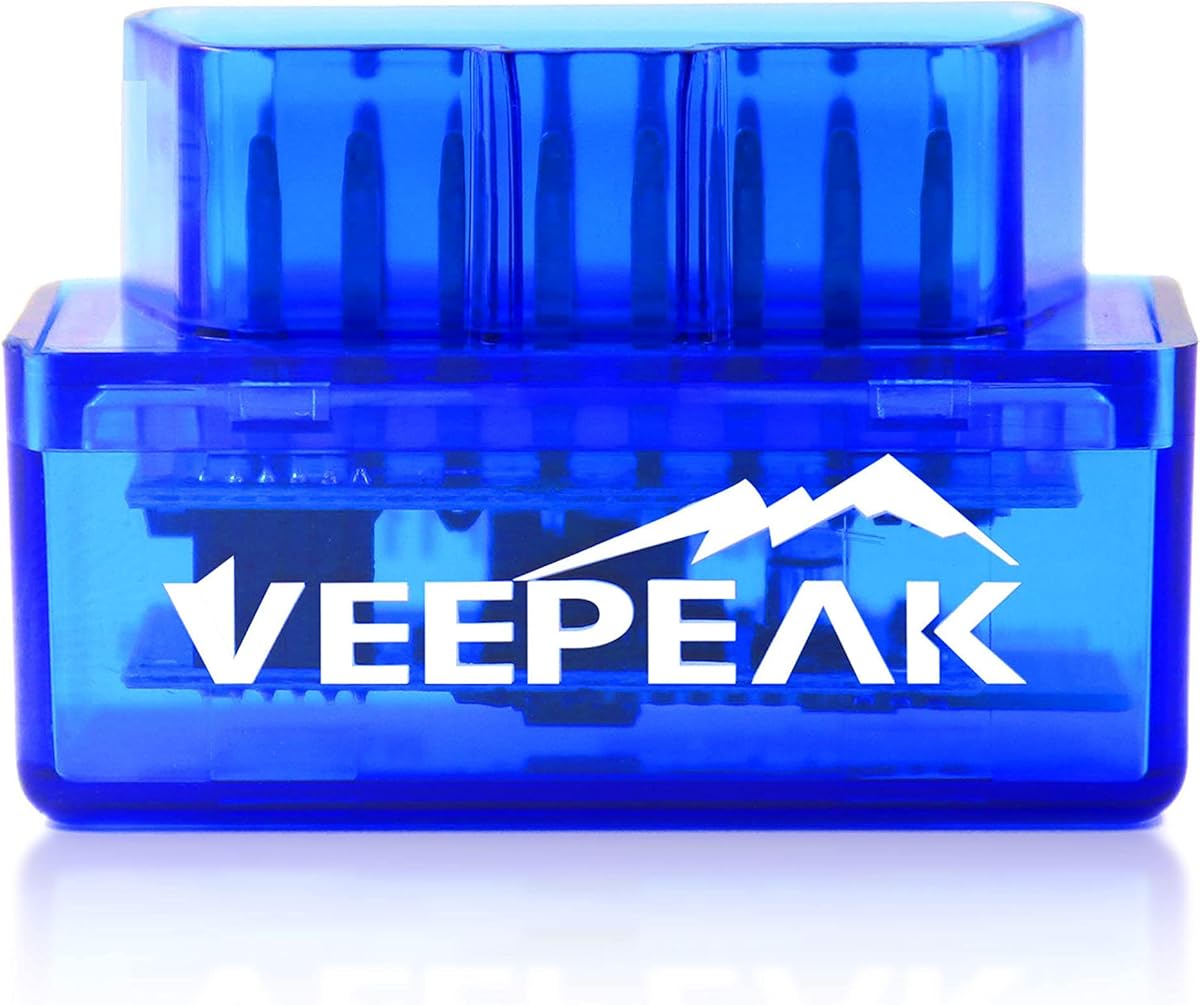


The Veepeak OBDCheck BLE combines a flexible hardware design with one of the most useful compatibility profiles in this roundup. Its supplied rating is 4.5 out of 5. Rather than locking owners into a single application, it supports generic apps such as Car Scanner ELM OBD2, Torque, OBD Fusion, and several vehicle-specific tools, making it a strong choice for Android users who may change diagnostic software over time.
We may earn a commission when you buy through this link, at no additional cost to you.
Its core functions cover the standard OBD-II tasks most owners need: reading and clearing check-engine trouble codes, reviewing freeze-frame information, checking I/M readiness, and viewing live sensor data. Bluetooth LE makes pairing particularly relevant to modern Android phones, while classic Bluetooth support broadens its usefulness with some Android applications. Compatibility with apps including BimmerCode, BimmerLink, OBD JScan, Dr. Prius, and OBDocker gives owners more ways to investigate vehicle-specific behavior.
The main limitation is that it is not a full-system scan tool. The supplied information notes that advanced functions, including ABS, SRS, and manufacturer-specific parameters, depend on the vehicle and selected app. It does not perform injector coding, EPB resets, ABS bleeding, service resets, or relearn procedures. Compatibility also has app-specific limits, including restrictions for some older BMW models, and it is not compatible with Carly, MHD, xHP, ProTool, or bootmod3.
This is an excellent general-purpose choice for an Android owner who wants a compact adapter and meaningful app selection. It is less suitable for someone expecting a full professional scan, service-tool functions, or guaranteed support for every vehicle-specific app. Check the intended app, vehicle year, and desired parameters before ordering, then connect from inside the app using the appropriate Bluetooth mode.
The adapter's greatest strength is its ability to work with established third-party diagnostics rather than requiring one permanent application. That flexibility lets owners match the software to the task, whether they need a general engine scan, a BMW-focused workflow, or detailed live-data monitoring.
Trouble-code reading and clearing, freeze-frame review, readiness checks, and live sensor displays cover the central needs of most drivers. These tools help narrow down a warning-light problem, although they do not replace diagnosis by a qualified technician when a fault involves complex vehicle systems.
We may earn a commission when you buy through this link, at no additional cost to you.
The V011 OBD2 Scanner delivers a surprisingly broad set of standard diagnostic functions through a dedicated mobile app. Its supplied rating is 4.4 out of 5. For owners seeking a straightforward Bluetooth OBD2 Scanner Android setup without investing in a professional adapter, it combines fast wireless pairing, familiar menus, live-data charts, and support for a large portion of 1996-and-newer vehicles.
We may earn a commission when you buy through this link, at no additional cost to you.
The app can work with trouble codes, electronic emission readiness, the check-engine or malfunction indicator lamp, monitor resets, live data, the VIN, freeze-frame information, sensor data, data streaming, diagnostic reports, and onboard monitoring. The device supports nine protocols, and its interface visualizes engine speed, vehicle speed, coolant temperature, and control-module voltage in charts that are easier for many users to interpret than raw numeric values.
The most important qualification is that this scanner is suitable for OBD Home rather than being a universal adapter for every diagnostic app. It also warns that clearing a fault code does not repair the underlying issue; if the vehicle remains unfixed, the code may return. While the stated vehicle compatibility is extensive, actual results still depend on the vehicle and its installed OBD-II port.
This is the best budget-oriented choice for a typical Android driver who wants code reading, live-data monitoring, and clear visualizations in one package. It is less appropriate for someone who plans to use specialist vehicle software or needs advanced service functions. Installation should be straightforward: insert the adapter, turn on the ignition, enable phone Bluetooth, open OBD Home, and allow the app to establish the connection.
The included app is designed to make check-engine information more approachable, including suggested possible fixes and explanatory guidance. It also provides how-to material and video tutorials, making this a practical option for owners who are new to OBD2 data and want a structured starting point.
Graphs and charts make changing values easier to compare over time. Tracking engine speed, speed, coolant temperature, and voltage can help an owner observe whether a symptom appears under specific conditions instead of relying entirely on a stored trouble code.
We may earn a commission when you buy through this link, at no additional cost to you.
The OBDLink MX+ is the most advanced and flexible adapter in this guide, with a supplied rating of 4.6 out of 5. It can turn an iPhone, Android device, or Windows PC into a professional-grade diagnostic tool, making it useful for owners who want one adapter to support several platforms and a wide range of diagnostic applications.
We may earn a commission when you buy through this link, at no additional cost to you.
The supplied information specifically recommends it for FORScan, Torque, BimmerCode, Dashcommand, AlfaOBD, Carista, and other apps. Enhanced original-equipment-manufacturer support is listed for Ford, GM, Mazda, Nissan and Infiniti, Toyota, Lexus, Scion, Honda, Hyundai, and Kia. It can also provide more live parameters than other scanners, including information associated with ABS, SRS, and TPMS on supported vehicles.
Protection features add practical value for frequent users. The MX+ includes over-voltage and battery-drain protection along with firmware updates, helping it remain adaptable as vehicles and applications change. However, a sophisticated adapter does not guarantee that every advanced parameter is available on every model. Vehicle wiring, model year, and the chosen app determine the actual data and commands that can be accessed.
This is the strongest choice for a serious Android owner, enthusiast, or technician who already uses established third-party applications. It is less attractive for a casual driver who only wants a simple check-engine reader. Before purchasing, use the included troubleshooting guide to confirm vehicle compatibility and the features required by the intended app.
Supporting Android, iPhone, and Windows means the same adapter can follow a user across several kinds of devices. That makes it a practical long-term choice for households or professionals who do not want their diagnostic workflow tied to one operating system.
Enhanced manufacturer support and additional live parameters create a more capable diagnostic workflow than a basic code reader. The additional data is most useful when interpreting a fault, testing a repair, or investigating systems beyond the engine control module.
We may earn a commission when you buy through this link, at no additional cost to you.
The Veepeak OBDCheck BLE+ builds on the strengths of the standard OBDCheck BLE while adding access to more vehicle-specific information through compatible applications. It carries a supplied rating of 4.5 out of 5. That combination of standard engine diagnostics, dual Bluetooth modes, and specialist app support makes it appealing to Android owners who want more than a simple code reader.
We may earn a commission when you buy through this link, at no additional cost to you.
Core functions include reading and clearing check-engine trouble codes, examining freeze-frame data, checking I/M readiness, and viewing live sensor information. Compatible applications include Car Scanner ELM OBD2, Torque, OBD Fusion, BimmerCode, BimmerLink, OBD JScan, Dr. Prius, and OBDocker. The supplied information highlights that data such as EV battery state of health or transmission temperature may be available depending on the vehicle make, model, and year.
There are meaningful boundaries. ABS, SRS, TPMS, and body-control-module data may be available only on certain vehicles through compatible third-party apps, which are often paid. The scanner does not support special service functions such as injector coding, electronic parking brake resets, ABS bleeding, or oil and service resets. MS-CAN is not supported in the FORScan and AlfaOBD apps.
Choose the BLE+ if your intended workflow depends on a recognized vehicle-specific application and you have confirmed the model-year connection profile. It is a better fit than the base adapter when the extra parameters matter, but it is not the right choice for specialized service-tool work. The included compatibility guidance should be checked before purchase.
The BLE+ can expose richer information for compatible vehicles, including specialized readings that may be unavailable through a generic engine-only scan. Verifying that the target vehicle has a suitable connection profile prevents disappointment before installation.
Rather than prescribing one interface, the adapter lets owners select an app that matches their vehicle or diagnostic goal. This creates flexibility, though users should budget for any separate in-app purchases required by the chosen developer.
We may earn a commission when you buy through this link, at no additional cost to you.
The Veepeak Mini is a compact, Android-only option for owners who want basic engine diagnostics without a larger display unit. Its supplied rating is 4.4 out of 5. It is particularly suitable for someone who already knows which Android diagnostic app they want and values a small adapter that can be kept in a glove box or tool bag.
We may earn a commission when you buy through this link, at no additional cost to you.
The Mini supports standard trouble-code reading and clearing, live sensor data, freeze-frame data, and I/M readiness through a third-party app. Its live-data dashboard can present speed, engine RPM, coolant temperature, throttle position, oxygen-sensor readings, fuel trim, and mass-air-flow information. Compatible applications include Car Scanner, Torque, OBD Fusion, and Dr. Prius.
Its limitations are especially important for phone compatibility. It uses classic Bluetooth and does not work with iPhone or iPad. It is designed for Android phones and tablets, and Android head units may not be supported. It also excludes ABS, SRS, TPMS, transmission, HVAC, and other advanced diagnostics, along with manufacturer-specific resets, injector coding, electronic parking brake resets, and relearn procedures.
This is a sensible pick for a dedicated Android user who needs an inexpensive, portable code reader. It should not be chosen by mixed iOS-and-Android households or by drivers seeking broad system coverage. Make sure the vehicle has an OBD-II port, install the correct third-party app, and press the adapter firmly into the port for a stable connection.
The Mini's compact shape makes it easy to keep available without taking up much space. It is a practical tool for routine code checks and for viewing live engine behavior when a warning or performance concern appears.
The lack of iOS support is not a minor limitation; it defines the product's intended audience. Android users benefit from a simple adapter, but anyone who may switch to an iPhone should choose a Bluetooth LE model instead.
We may earn a commission when you buy through this link, at no additional cost to you.
The BlueDriver OBD2 Scanner is built around guided diagnostics, with a supplied rating of 3.9 out of 5. Its distinguishing feature is the use of unlimited technician-verified repair reports matched to the vehicle identification number, accompanied by definitions, possible causes, and confirmed fixes. That focus may appeal to owners who want more interpretation than a traditional code reader provides.
We may earn a commission when you buy through this link, at no additional cost to you.
The scanner can read and clear codes beyond basic powertrain faults, including supported Check Engine, ABS, SRS, airbag, TPMS, and transmission systems. It also offers real-time monitoring, freeze frames, smog-readiness checks, and Mode 6 test results. The stated coverage is strong for GM, Ford, Stellantis, Toyota, Honda, Nissan, Mazda, Subaru, Hyundai, Mercedes-Benz, BMW, and Volkswagen, with enhanced communication on selected 2024-and-newer Nissan and Mazda models.
The purchase includes full feature access without subscription fees, add-ons, or account requirements, according to the supplied information. Compatibility is centered on gas-powered vehicles from 1996 onward plus select light-duty trucks and diesels. The caveat is that advanced system access still depends on the specific vehicle, and the compatibility chart should be consulted for newer models. Its lower supplied rating also warrants attention when comparing it with highly rated alternatives.
This scanner is a strong option for an Android owner who values guided repair information and broad system access more than third-party app freedom. It is less appealing to a technical user who prefers to select their own professional diagnostic software. Review the make-and-model chart first, then use the app to scan, interpret, and track repairs.
VIN-matched reports can make a stored code more useful by connecting it to definitions, likely causes, and confirmed repair approaches. This is particularly helpful for owners who understand the meaning of a code but not the best next diagnostic step.
Support for ABS, SRS, TPMS, transmission, and other areas broadens the scanner beyond a basic engine tool. Availability remains vehicle-specific, so compatibility checking remains essential even for a product designed to cover several systems.
We may earn a commission when you buy through this link, at no additional cost to you.
The YM819 stands apart because it combines a wireless OBD module with a separate scanner screen rather than relying entirely on a phone interface. Its supplied rating is 4.5 out of 5. That arrangement offers a useful path for Android and iPhone owners who want an immediate display at the vehicle but also need a companion app for more detailed reports.
We may earn a commission when you buy through this link, at no additional cost to you.
The advertised capabilities include reading and clearing up to 96,000 diagnostic trouble codes, engine-system checks, real-time data streaming, VIN reading, freeze-frame analysis, battery-voltage monitoring, I/M readiness, onboard monitoring, component testing, and sensor analysis. The YMOBD app supports viewing, saving, or printing reports, and reports can be shared with a technician for additional advice. Custom shortcut keys provide quick access to frequently used functions.
Setup differs from a conventional plug-and-pair adapter. The user opens the rear cover, installs one AA battery that is not included, removes the wireless OBD module, and plugs it into the vehicle while the ignition is on. The YMOBD app must be downloaded, and the supplied instructions call for email registration and login before pairing. The scanner supports 13 languages and works with most 16-pin OBD2 vehicles, generally from 1996 in the United States and 2000 in Europe and Asia.
Choose the YM819 if a screen-equipped, battery-powered diagnostic unit appeals to you and you want both standalone checking and app-generated reports. It is less convenient if you dislike account setup or want the smallest possible adapter. The battery, app connection, and module arrangement also make the workflow more involved than a basic Bluetooth plug.
The built-in screen and shortcut keys provide quick access when an owner wants an immediate code check without setting up a mobile session. The flashlight is also a practical addition for working in a dim garage or at night.
The companion app can save, print, and send reports, creating a useful record for a repair consultation. Sharing the actual scan information may help a technician understand the vehicle's condition more efficiently.
We may earn a commission when you buy through this link, at no additional cost to you.
The red Rocco OBD2 Scanner emphasizes simplicity through an app that analyzes live information and freeze-frame data to generate understandable health reports. Its supplied rating is 4.2 out of 5. The product is aimed at owners who want concise guidance rather than a large collection of raw engineering parameters, and its compact 0.98-ounce design is convenient for leaving in the vehicle.
We may earn a commission when you buy through this link, at no additional cost to you.
Its app can provide AI-generated repair advice, one-tap full vehicle scans, code reading and clearance, and visual graphs for live measurements such as RPM, coolant temperature, and oxygen-sensor voltage. The scanner connects through Bluetooth 5.4 without a cable or replaceable battery, and the supplied information states that it can remain in the OBD2 port for continuous monitoring. The app supports Android and iOS and includes lifetime updates.
The stated vehicle coverage includes OBD2-protocol cars, trucks, and SUVs from 1996 onward. The app's fault-code library is described as containing more than 65,000 codes, while full scans produce a simple pass or fail result. Owners should still remember that a pass result or an AI-generated interpretation does not prove every component is sound. The app's advice depends on the data the scanner can access and the vehicle's diagnostic architecture.
This is a good fit for a driver who values plain-language reports, simple scans, and a small adapter. It is less suitable for a technician who needs raw data, custom gauges, or specialist third-party applications. The one-time purchase model and free lifetime updates reduce the concern of recurring access fees, while the product's compactness makes it easy to keep available.
AI-based reports aim to turn technical scan information into understandable findings and suggested actions. This lowers the learning barrier for everyday drivers, although the results should still guide rather than replace mechanical inspection when a serious fault is present.
At less than one ounce, the scanner can stay in the vehicle without creating substantial clutter. Connecting by Bluetooth when needed supports routine monitoring without a permanently attached display or cable.
We may earn a commission when you buy through this link, at no additional cost to you.
The black Rocco OBD2 Scanner offers the same core software-led experience as the red version in a discreet, low-profile package. Its supplied rating is 4.2 out of 5. It connects to Android and iOS through Bluetooth 5.4, requires no battery, and is designed to remain neatly in the OBD2 port when not in use.
We may earn a commission when you buy through this link, at no additional cost to you.
The application generates AI-powered car health reports from live data and freeze-frame information. A Full Vehicle Scan produces a clear pass or fail result, while the owner can read and clear check-engine trouble codes after a repair. Graphed live data for engine RPM, coolant temperature, and oxygen-sensor voltage can help reveal changing conditions associated with an intermittent problem.
The scanner supports OBD2-protocol vehicles from 1996 onward and works with cars, trucks, and SUVs. Its application includes a library of more than 65,000 codes, free lifetime updates, and a no-subscription purchasing model. The primary constraint is that its workflow centers on the Rocco application rather than a broad ecosystem of professional third-party apps, and it is not presented as a specialist service tool.
Choose this model if a small, understated adapter and guided reports are your priorities. It is a practical choice for routine check-engine diagnosis and maintenance preparation, including scanning a used car before purchase. Drivers who need service resets, coding, or manufacturer-specific workshop functions should choose a more specialized tool instead.
The Full Vehicle Scan turns diagnostic information into an easy pass-or-fail summary. That format is useful for quick checks and for users who want an understandable starting point before deciding whether more detailed investigation is needed.
The black finish and tiny profile are designed to blend into a vehicle's cabin. Because the unit draws power from the vehicle and uses no separate battery, it can remain connected with minimal clutter.
We may earn a commission when you buy through this link, at no additional cost to you.
The FIXD Bluetooth OBD2 Scanner is designed around accessible phone-based diagnostics and the management of more than one vehicle. Its supplied rating is 4.1 out of 5. The free application can scan for and identify more than 39,000 issues across thousands of vehicles, explain trouble codes in simpler language, and alert owners to severe faults or maintenance needs.
We may earn a commission when you buy through this link, at no additional cost to you.
Vehicle profiles are a central feature. Owners can save scans by vehicle, create mileage-based reminders, and share results with family members or a repair shop. The compact sensor can remain hidden under the dashboard in each car, allowing it to remain ready for a scan without taking up visible space. This makes FIXD especially relevant to families with several vehicles.
Compatibility extends to gasoline and hybrid vehicles from 1996 onward and diesel vehicles from 2006 onward. The scanner connects by Bluetooth to both iPhone and Android. Features vary by make and model, so the vehicle's age and powertrain type should be checked before purchase. Repair recommendations, estimates of repair costs, vehicle valuation, and live mechanic support are described as optional premium benefits.
This scanner is best for an Android owner who wants plain-language issue explanations, maintenance reminders, and centralized management of several vehicles. It is less attractive if independent scanning and full control over diagnostic data are the priority. Start with the free app and its unlimited scans, then evaluate the optional premium features against the level of guidance you actually need.
Separate vehicle profiles allow scans, mileage, and reminders to stay organized. That makes the product particularly useful to households managing more than one car, since each vehicle can retain its own diagnostic history.
The application translates trouble codes into easier-to-follow descriptions and can flag severe issues or maintenance needs. Owners can share results with family or a shop, creating a useful bridge between everyday monitoring and professional service.
We may earn a commission when you buy through this link, at no additional cost to you.
The best adapter is the one that matches your vehicle, Android device, preferred app, and diagnostic goals. Compatibility with the OBD port and Bluetooth mode is only the beginning; code depth, data access, advanced functions, and ongoing app policies also shape the experience.
Most OBD2 Scanner Android products in this guide support vehicles with a 16-pin OBD-II port, commonly found in cars from 1996 onward in the United States. Coverage can differ for European and Asian models, diesel vehicles, hybrids, and electric vehicles. OBD-I vehicles, motorcycles, heavy-duty trucks, and some older cars may not be supported. Manufacturer-specific features are also rarely universal, so check both the vehicle year and the listed compatibility chart rather than relying on a broad statement such as broad vehicle support.
Bluetooth Low Energy is essential for many modern Android combinations, especially when the scanner is controlled by an iOS-oriented application that expects BLE. Some products also support classic Bluetooth for particular Android applications, while the Veepeak Mini is Android-only and relies on classic Bluetooth. Android car stereos and head units may not work with every model. A phone or tablet can offer a more predictable experience, but the app's pairing instructions should still be followed exactly.
Some scanners are controlled by a dedicated app, while others require the user to install a compatible third-party application. Dedicated apps can simplify setup and provide guided reports, but they may limit access to other diagnostic ecosystems. Third-party adapters offer more choice, although some features in popular apps require separate purchases. Check whether the product is compatible with Torque, Car Scanner, FORScan, BimmerCode, OBD JScan, or the application you already use before ordering.
A generic engine scan reads powertrain trouble codes, live sensor data, freeze-frame information, and readiness monitors. Broader scanners may also cover ABS, SRS, TPMS, transmission, body modules, or manufacturer-specific data. The difference matters because a check-engine reader cannot diagnose every illuminated warning lamp. Even when a product mentions these systems, access commonly depends on the vehicle's architecture and the selected app. A full-system claim is therefore not a guarantee for every make and model.
Live-data streaming lets you compare changing values such as RPM, speed, coolant temperature, oxygen-sensor voltage, fuel trim, and control-module voltage. Clear graphs can make irregular behavior easier to identify than rows of raw numbers. Some tools also create health reports, save vehicle history, provide verified fixes, or produce printable reports. Consider whether you need live monitoring, historical tracking, plain-language advice, technician-shareable files, or simply a quick pass-or-fail result.
Injector coding, electronic parking brake resets, ABS bleeding, oil and service resets, and relearn procedures are specialized operations that basic OBD2 adapters do not perform. The products here should not be mistaken for dealer-level service tools. Some vehicle-specific applications expose limited advanced diagnostics, but the hardware and software must both support the procedure. Owners performing complex repairs should use appropriate workshop equipment and follow manufacturer guidance.
Most adapters draw power directly from the vehicle's OBD port, while the YM819 uses a separate AA battery in its display unit. OBD ports can sit at different angles or depths, so a firm connection is important for stable ECU communication. Compact designs are easier to store and can sometimes remain in the vehicle without interfering with the dashboard. Consider the port's location, your preference for leaving the adapter installed, and whether a visible screen is useful.
The cost of a scanner is only part of the ownership picture. FIXD offers a free basic app with optional premium assistance, while other products emphasize one-time purchase and lifetime updates. Some third-party apps contain paid features or subscriptions. Review the present terms rather than assuming that all future app functions will be free. Firmware updates, expanded vehicle coverage, and ongoing support can also improve long-term usefulness, particularly if you own several newer vehicles.
Begin by identifying the correct vehicle connection and app. Install the manufacturer or developer-provided application, confirm that the adapter is compatible with that app, and set the app's Bluetooth connection type correctly. If the product requires an account, create it before going to the vehicle. Bluetooth permissions should be enabled, and the phone should remain close enough to maintain a stable wireless link during the scan.
Start the vehicle or turn the ignition to the position required by the app, then insert the adapter firmly into the OBD-II port. Open the application and initiate a connection before requesting a code scan, live-data view, readiness check, or report. A proper scan may take a little time while the adapter communicates with the vehicle. Review the results before clearing anything, and use freeze-frame and live data to understand the conditions surrounding a fault rather than focusing only on its definition.
After use, close any active scan and remove the adapter if you do not intend to leave it installed. Disconnecting helps avoid unnecessary battery drain and makes the port available for other work. Keep the device dry, protect the connector from impact, and use the correct compatible app rather than an imitation. Update the software when instructed, and consult the vehicle-specific compatibility guidance before assuming a new function will be available.
Yes, an Android phone can read trouble codes when it is paired with a compatible OBD2 adapter and connected to an appropriate diagnostic app. The adapter communicates with the vehicle's OBD-II port, while the app presents the codes and data. Both the Bluetooth mode and the app must be compatible with the device and vehicle.
Most do, but compatibility varies by Bluetooth mode and software. Adapters supporting Bluetooth LE work with many current Android phones, while classic-Bluetooth products may be designed only for Android. The Veepeak Mini, for example, is Android-only and does not support iPhone or iPad. Always verify both the hardware pairing method and the app's requirements.
Many adapters can be moved between compatible vehicles, although some products use vehicle-specific connection profiles or apps. The FIXD app also emphasizes separate profiles and saved scans for multiple cars. Before moving an adapter, confirm that the new vehicle has the required OBD port and that the application supports its year, make, powertrain, and requested diagnostic functions.
No. Clearing a code removes the stored record or extinguishes the warning lamp, but it does not repair the underlying fault. The V011 listing specifically warns that a code can return when the problem remains. Use the scan results and live data to guide diagnosis, and seek qualified service when the fault is complex or safety-related.
Some can, but it depends on the adapter, vehicle, and app. The OBDLink MX+ and BlueDriver list expanded access to systems such as ABS, SRS, and TPMS on supported vehicles, while the Veepeak products state that some advanced data may be available through selected third-party applications. A basic engine reader cannot cover every illuminated warning lamp.
Products designed to remain connected, such as the Rocco scanners, can draw power from the vehicle and may be left in place according to their instructions. Other adapters are better removed after use, and the V011 listing recommends unplugging it to avoid consuming the vehicle's battery. Always follow the guidance for the specific model and avoid leaving the ignition on for extended periods.
It depends on the product. Several options provide a dedicated app with basic scanning included, while apps that support third-party adapters may offer premium diagnostic features for a separate payment. Veepeak products can use apps such as Car Scanner ELM OBD2, Torque, OBD Fusion, BimmerCode, and others, but certain applications or in-app features may require payment.
Start by confirming that the vehicle ignition is on, Bluetooth is enabled, and the correct app is open. You may need to select Bluetooth LE or classic Bluetooth within the app rather than pairing through Android's standard device menu. Also check app permissions, adapter placement, vehicle compatibility, and whether the selected app supports the adapter's connection profile.
The OBDLink MX+ is the strongest all-around choice for users who want broad app support, enhanced manufacturer information, and access to a wide set of live parameters. The V011 OBD2 Scanner offers the strongest budget-oriented package with a dedicated app, Bluetooth 5.4, broad standard functionality, and approachable data visualization. For guided reports and broad system access without recurring subscription fees, BlueDriver is the leading premium-style choice.
Prioritize the features your vehicle and workflow actually require. An Android-only user with basic engine needs may be well served by the compact Veepeak Mini, while a BMW or EV owner should confirm a compatible vehicle-specific app and connection profile. Multi-car households may prefer FIXD, and users wanting a built-in display can consider the YM819. A dedicated app with clear reports and compact hardware may suit drivers who prefer guided explanations over raw diagnostic data.
Before purchasing, verify the OBD port, model year, powertrain, Bluetooth mode, app, and desired advanced functions. Customer ratings and feature lists can change, while product prices and availability fluctuate over time. Check the current listing, compatibility chart, and app terms so the final choice matches both your Android device and the vehicle you need to diagnose.